Finding Why the Previous Coating Failed
Epoxy Flooring Repairs in the Angola area for garages, shops, and commercial spaces where coatings have peeled, spalled, or debonded
Older Angola-area garage and shop floors often have spalling, cracks, or failed previous coatings that need proper remediation before any new system will bond correctly, but failed epoxy is not just patched over without understanding what caused the original failure. Bond failure, moisture intrusion, or incorrect original mix ratios are assessed first so the repair actually holds long-term—this is what separates a repair that lasts from one that fails again in six months. Pro Concrete Flooring Solutions LLC diagnoses and remediates failed, peeling, or spalling concrete floor coatings with owner-supervised diagnosis and repair selection informed by real-world experience with ratio-related failures.
Repair work begins with removing loose or debonded coating material and evaluating the underlying concrete for the root cause of failure. Moisture testing, adhesion testing, and visual inspection determine whether the problem originated from substrate issues, improper surface preparation, incorrect product mixing, or environmental conditions that prevent proper curing.
Schedule a failure assessment to identify what caused the original coating to fail before any repair material is selected.
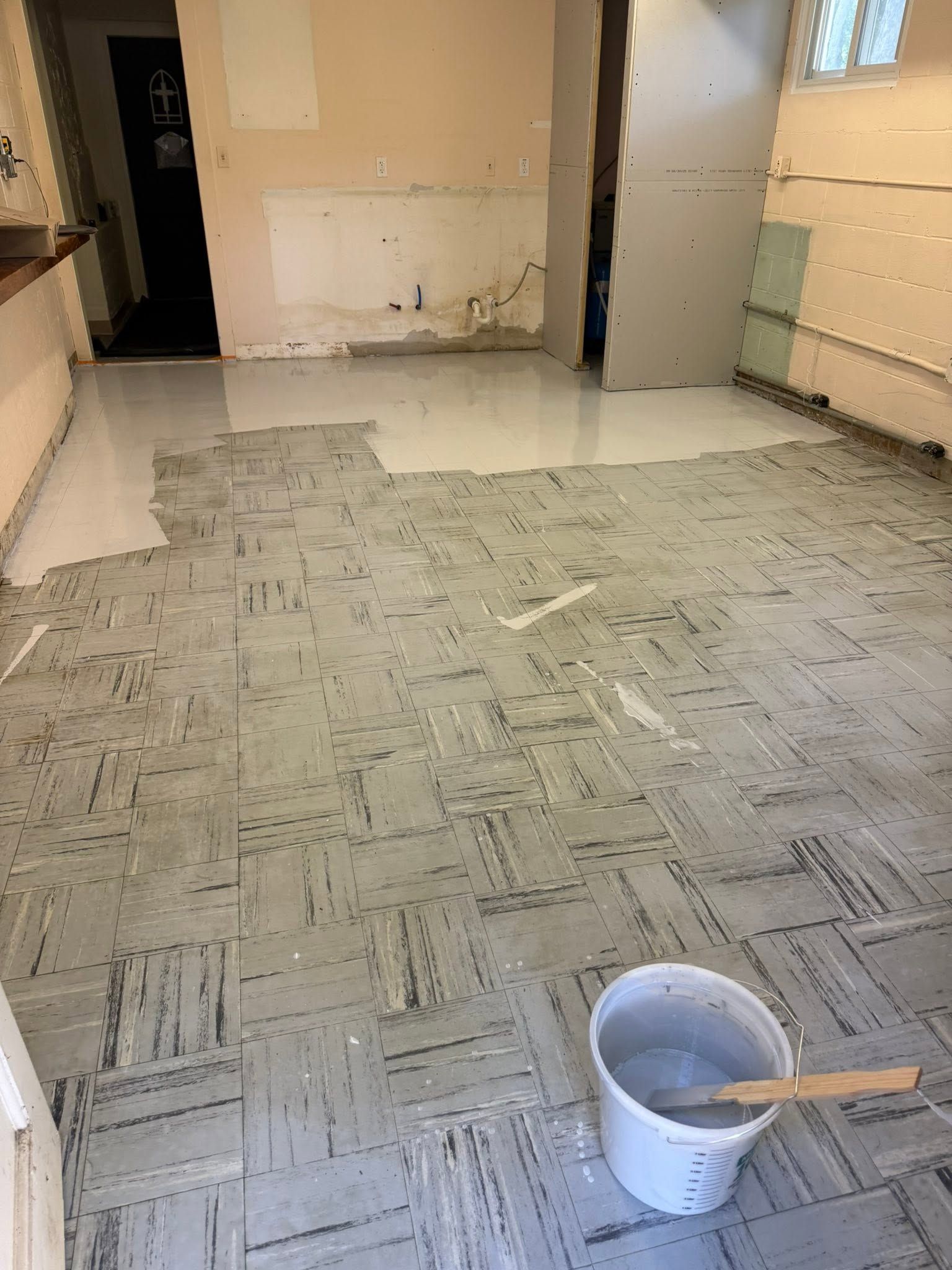
Root Cause Diagnosis Before Material Selection
Epoxy repair begins with understanding why the original coating failed, not with choosing a patching product. Bond failures happen when coatings are applied over contaminated concrete, inadequate surface profiles, or active moisture intrusion. Soft or sticky coatings that never fully hardened indicate incorrect mixing ratios during original application. Peeling at edges or high-traffic areas suggests insufficient substrate preparation or premature loading before the coating cured completely.
Pro Concrete Flooring Solutions LLC identifies the failure cause before selecting repair materials so the fix addresses the actual problem. After repair work cures and the space returns to use, you notice the floor no longer shows spreading cracks from the original failure points, loose coating fragments stop appearing when you sweep, and the repaired sections match the surrounding floor in hardness and traction instead of remaining softer or more flexible.
Repair work does not include structural foundation repair, comprehensive moisture barrier installation, or addressing drainage problems that cause water to pond on the slab. Floors with active groundwater intrusion or structural settlement require separate remediation before any coating repair will perform correctly, and attempting to coat over those conditions wastes money on work that fails again quickly.
What Homeowners and Businesses Ask About Failed Coatings
Property owners dealing with peeling or failed epoxy in Angola-area garages and commercial spaces often want to know what went wrong originally and whether repair is possible without complete removal and reapplication.
What causes epoxy coatings to peel or debond from concrete?
Peeling happens when coatings are applied over contaminated surfaces, inadequate mechanical profiles, or concrete with moisture vapor transmission rates higher than the coating can tolerate. Oil stains, previous sealers, and surface dust all prevent proper bond, and moisture pressure from below pushes coatings off the slab regardless of application quality.
How do you tell if a coating failed because of bad mixing?
Coatings mixed with incorrect resin-to-hardener ratios either stay soft and tacky permanently or become brittle and crack under normal use. The instructions are printed in large letters on the product container, but crews that skip precise measurement create coatings that never achieve proper hardness—you notice this when the floor remains sticky weeks after application or when it scratches easily under light abrasion.
Can you repair failed epoxy without removing the entire floor coating?
Repair scope depends on failure extent and root cause. Localized debonding caused by surface contamination can be addressed by removing the failed section, reprepping the concrete, and recoating that area. Widespread failure caused by moisture intrusion or structural issues requires complete removal and substrate remediation before any new coating is applied.
What happens during the failure assessment process in Angola-area properties?
Assessment involves removing loose coating material to expose the concrete substrate, testing for moisture vapor emission, checking existing coating adhesion in areas that appear intact, and evaluating the concrete surface for contamination or inadequate profile depth. The goal is identifying what caused the failure so the repair addresses the actual problem instead of covering it temporarily.
How long does repair work take compared to original installation?
Repair duration depends on how much failed coating requires removal, what substrate remediation is needed, and whether moisture or contamination issues must be resolved before recoating. Simple localized repairs may take less time than full floor installations, but extensive failures requiring complete removal often take longer because the existing coating must come off before new surface preparation begins.
Pro Concrete Flooring Solutions LLC serves as the repair option for homeowners and businesses whose previous epoxy failed and want it done right this time, with owner-supervised diagnosis that identifies root causes before any repair material is chosen. Request a failure assessment to determine what caused your coating to debond and what remediation the substrate requires before recoating.